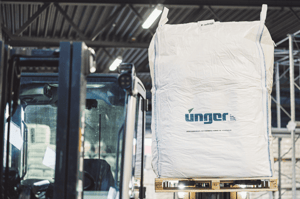
Circular Packaging in Practice: How Unger Is Developing the Packaging Solutions of the Future
Packaging is essential for protecting products and ensuring safe and efficient transportation to customers around the world. At the same time, packaging requires materials and resources. As a result, packaging is an important focus area in Unger's work on continuous improvement and circularity.
The market is changing. New regulatory requirements, increased expectations for documentation, and greater attention to resource use and recycling are influencing how packaging is developed and managed.
For Unger, this is about more than complying with new requirements. We aim to understand developments early and identify solutions that work for our production processes, customers, and business partners. This is important both for reducing resource use where possible and for maintaining Unger's competitiveness in an international market.
For several years, Unger has maintained a dedicated packaging team that works systematically with our packaging solutions. This work includes evaluating recycled materials, improving recyclability, testing new solutions, and preparing for upcoming regulatory requirements.
A Changing Market and Regulatory Landscape
One of the key drivers behind this work is the EU's Packaging and Packaging Waste Regulation (PPWR), which introduces new requirements related to packaging design, documentation, recycled content, recyclability, and packaging minimization.
For Unger, this means that the work extends beyond the materials used in packaging. It also requires a clear overview of material composition, recycled content, recyclability, and supporting documentation.
Dialogue with customers and suppliers throughout the value chain is becoming increasingly important. Our packaging team therefore works closely with packaging suppliers and evaluates new solutions before implementation. The ambition is to reduce the use of virgin raw materials and design packaging for improved recyclability where technically and practically feasible while ensuring that packaging continues to meet requirements for quality, safety, and functionality.
Development Without Compromising Quality and Functionality
One example is our work to increase the proportion of recycled plastic in our plastic bags. Unger has conducted production trials of 20 kg and 25 kg plastic bags containing PCR (post-consumer recycled) material.
Nine packaging items were evaluated, including testing of strength, production stability, filling performance, palletization, and visual quality.
The tests showed that bags containing up to 35% PCR maintained satisfactory quality and functionality. No issues were identified related to filling, sealing, or handling.
This project has brought us significantly closer to our target of 35% recycled plastic content in plastic packaging by 2030 and has provided valuable experience for future development. In 2025, recycled plastic accounted for 25% of the packaging used for our finished products.
Unger Has Joined the Plastløftet Initiative
As part of this work, Unger also joined Plastløftet (The Plastic Pledge) from Grønt Punkt Norge in September 2025.
Through Plastløftet, participating companies work to:
- Increase the use of recycled plastic
- Reduce unnecessary plastic use
- Design packaging with recycling in mind
- Maintain product quality and shelf life
Member companies report their initiatives and results annually to Grønt Punkt Norge. Plastløftet also provides an arena for sharing experience and knowledge related to packaging development.
For Unger, participation complements the packaging work already underway and provides opportunities to exchange knowledge with other stakeholders across the value chain.
Clear Goals Towards 2030
Packaging development is an integrated part of Unger's broader sustainability efforts. Towards 2030, we are working toward the following packaging-related goals:
- 35% recycled plastic content in packaging
- At least 70% recyclable packaging
- Continued development of digital packaging documentation
In 2025, recycled plastic accounted for 25% of the packaging used for our finished products. At the same time, we continue to explore opportunities to increase recycled content and further improve our packaging solutions.
However, progress is not only measured through percentages.
As packaging requirements continue to evolve, knowledge and documentation are becoming increasingly important. Unger is therefore working to structure and maintain information related to material types, recycled content, recyclability, and documentation received from packaging suppliers.
Strong documentation helps us prepare for future regulatory requirements, respond to customer requests, and support informed decision-making throughout the value chain. Recycled-content figures are based on supplier documentation and packaging data collected through Unger's packaging management processes.
Collaboration Is Part of the Solution
The transition to more circular packaging is not driven by a single innovation or initiative. It is the result of many improvements over time, supported by collaboration across the value chain.
At Unger, we are continuously exploring opportunities to increase recycled content, improve recyclability, and strengthen the data and documentation that support our packaging decisions. At the same time, we work closely with suppliers and customers to evaluate new materials and packaging solutions.
By combining practical experience, technical expertise, and collaboration across the value chain, we are developing packaging solutions that meet requirements for quality, functionality, and documentation while supporting our long-term circularity ambitions.
Frequently Asked Questions
What is circular packaging?
Circular packaging is packaging designed to minimize resource use and waste by enabling reuse and/or recycling, while incorporating recycled or renewable materials where appropriate and keeping packaging materials in circulation for as long as possible.
What is PPWR?
PPWR (Packaging and Packaging Waste Regulation) is the EU regulation that aims to reduce packaging waste, increase recycling and reuse, promote circularity, and harmonise packaging requirements across the EU/EEA. It introduces requirements related to recyclability, recycled content, packaging minimization, and packaging documentation.
How is Unger increasing circularity in packaging?
Unger is working to increase recycled plastic content, improve recyclability, strengthen packaging documentation, evaluate new materials, and work with suppliers to develop packaging solutions that support circularity objectives.
What is PCR plastic?
PCR stands for Post-Consumer Recycled material. PCR plastic is produced from plastic waste that has been used by consumers, collected, processed, and reintroduced as a raw material for new products or packaging.
Why is packaging documentation becoming more important?
Documentation is becoming increasingly important as customers and regulators request more information about material composition, recycled content, and recyclability. Accurate documentation also helps companies prepare for evolving regulatory requirements and support transparency throughout the value chain.